Learn
Diamond buying guides
Plain answers to the questions every couple asks.
Short, plain answers. When you are ready, the diamond finder lets you filter by every one of these.
The 4Cs, simply
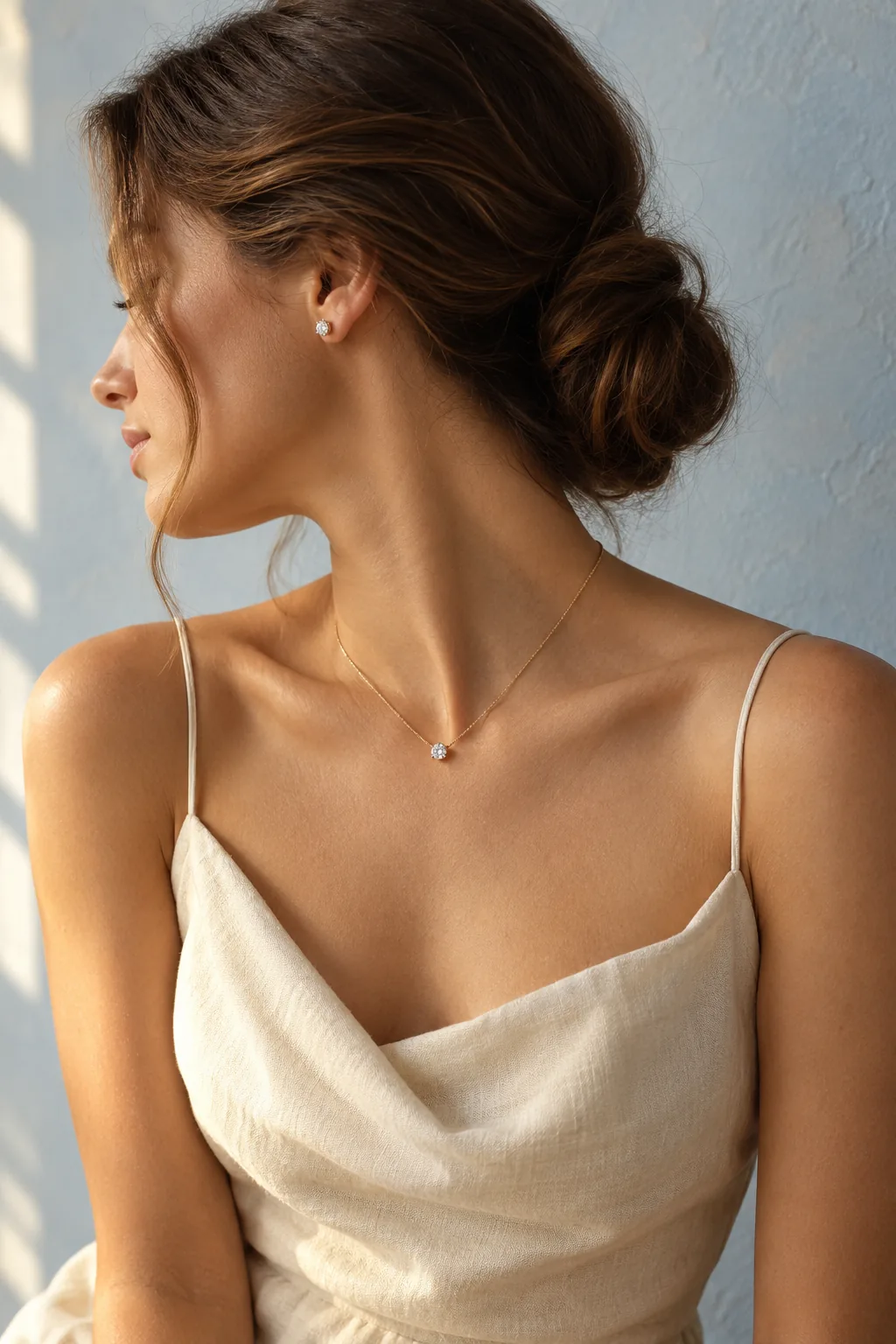
Cut is how well the diamond is shaped and polished, and it decides most of the sparkle. Of the four, it is the one worth the most.
Colour is how free of a warm tint the stone is, graded from D (none) down the alphabet. See the colour scale below.
Clarity is how few tiny marks the stone holds inside and on its surface, from FL / IF (none visible under 10× magnification) through VVS, VS and SI. From VS2 most marks are invisible to the eye.
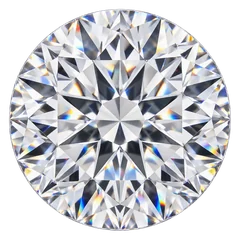
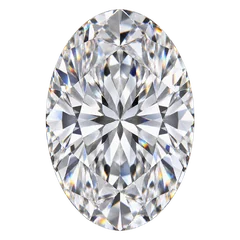
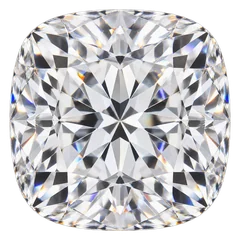
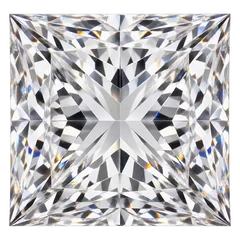
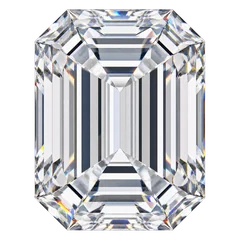
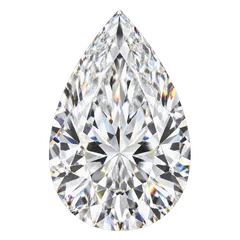
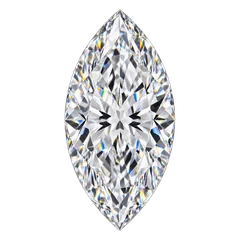
Carat is weight, not size: 1 carat is 0.2 grams. Two stones of the same weight can look different in size depending on their shape and cut.
The diamond colour scale
D, E and F are colourless. G to J are near-colourless — in a ring they read as white, especially set in yellow or rose gold. From K a warm tint begins to show. A fancy-colour diamond (yellow, pink, blue, green) is graded on its own scale, by the strength of its colour.
Diamond certification
A grading report is an independent laboratory's record of one diamond: its shape, measurements, carat, colour, clarity and cut, with a report number. Every Ever After engagement ring diamond comes with a report from IGI or GIA, and the report number is shown with the stone before you choose it.
Why created diamonds
A created (lab-grown) diamond is real diamond — the same carbon crystal, as hard and as brilliant as a mined one — grown above ground instead of dug out of it. It is graded on the same 4Cs, by the same laboratories. For the same budget it usually means a larger or finer stone. The diamond finder shows lab-grown and natural diamonds side by side, so you can compare them.